Full Range of Motion Training: Why Depth Matters for Strength, Muscle Growth and Longevity
Why Full Range of Motion Matters More Than You Think
Walk into any gym and you'll see it.
Half squats. Quarter push-ups. Pull-ups that never quite reach the bottom.
While there are specific situations where partial range of motion training can be useful, most people will benefit far more from training movements through their full range of motion.
At CFH Fitness, we're big believers in moving well before moving more. That's why you'll often hear our coaches encouraging athletes to squat below parallel, touch their chest to the floor in push-ups, or start their pull-ups from a full dead hang.
But why does it matter?
What Is Full Range of Motion?
Full range of motion (ROM) simply means moving a joint through the greatest safe distance it is designed to travel.
Examples include:
Squatting as low as you can go, ideally at least until the hip crease drops below the knee.
Lowering all the way to the floor in a push-up.
Starting a pull-up from a hang position with arms extended and finishing with the chin over the bar.
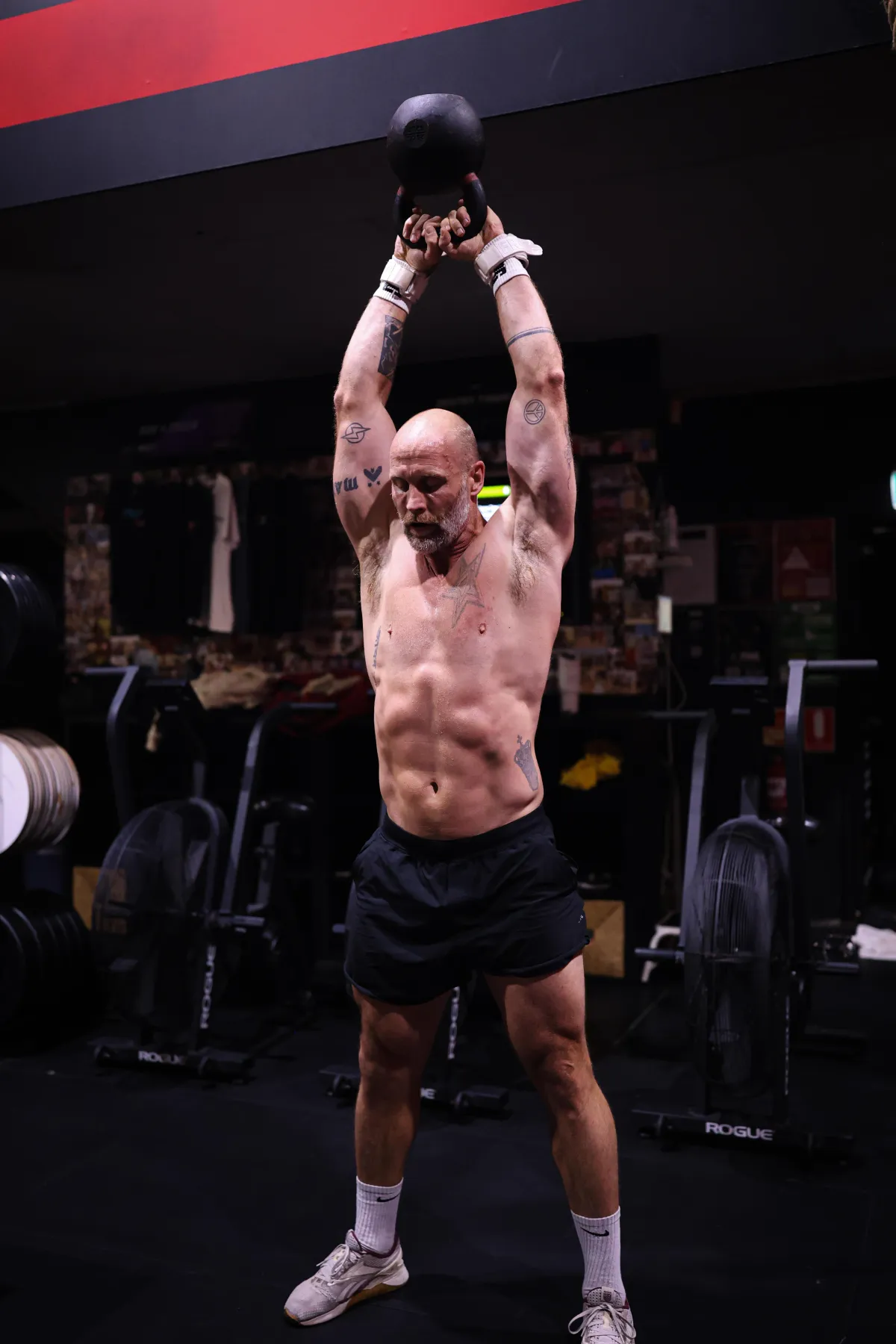
Locking out a press directly overhead, with extended elbows
Fully extending the knees and hips during a deadlift.
Rather than shortening the movement, we train the entire movement.
You Build Strength Everywhere
One of the biggest advantages of full range of motion training is that you develop strength throughout the entire movement.
Think about a squat; If you only squat halfway down, you're only strengthening the muscles and positions used in that portion of the movement. When life or sport demands strength in deeper positions, you may not have it available.
Research consistently shows that training through a full range of motion can lead to greater strength gains across the entire movement compared to partial range training.
In simple terms: if you want to be strong everywhere, train everywhere.
Better Muscle Development
Muscles grow when they are challenged through meaningful ranges of motion.
When a muscle is taken through a greater stretch under load, it experiences a powerful stimulus for growth and adaptation.
This is one reason why a full-depth squat often produces better results than a shallow squat, even when using lighter weight.
More movement doesn't just mean more work—it often means better work.
Improved Mobility and Joint Health
Strength and mobility shouldn't be viewed as separate qualities.
Training through full ranges helps maintain and improve mobility while simultaneously building strength in those positions.
Many people spend their day sitting at desks, driving cars, and moving through limited ranges. Full range strength training can help counteract some of these limitations by regularly exposing the body to positions it was designed to access.
Strong joints tend to be resilient joints.
Real-World Functionality
Life doesn't happen in partial ranges.
You squat down to pick up your kids.
You get up from low chairs.
You reach overhead for items on a shelf.
You climb, pull, push, lift, and carry through a variety of positions every day.
Training through full range of motion prepares your body for the demands of real life, not just the gym floor.
The Squat Example
A full-depth squat develops strength in the ankles, knees, hips, and core while requiring balance, mobility, and coordination.
A partial squat may allow you to lift more weight, but often at the expense of developing strength in the deepest and most challenging positions.
For most people, improving squat depth safely is one of the best investments they can make in their long-term movement quality.
The Push-Up Example
A push-up isn't complete when you stop halfway.
Lowering the chest all the way to the floor challenges the chest, shoulders, triceps, and core through their full range.
Touching the floor ensures consistency and accountability while building strength where many people are weakest.
The Pull-Up Example
One of the most common mistakes in pull-ups is avoiding the bottom position.
Starting each rep from a dead hang develops shoulder strength, grip strength, and control while ensuring every repetition is earned.
A pull-up that begins halfway up simply isn't the same movement.
Are Partial Reps Ever Useful?
Absolutely.
Experienced athletes may use partial range movements to overload specific positions, work around temporary injuries, or target particular performance goals.
But these are usually advanced tools.
For the vast majority of people, full range of motion should form the foundation of their training.
The CFH Fitness Approach
At CFH Fitness, we're not interested in cutting corners.
We care about helping our members move better, get stronger, stay injury-resistant, and continue doing the things they love for years to come.
That's why we coach:
Full-depth squats.
Full depth Push-ups and Dips
Pull-ups from a complete hang.
Complete lockouts and finishes with Deadlifts, Bench Press and Overhead Presses
Not because they look better on a score sheet, but because they build stronger, more capable humans.
The goal isn't just to move weight.
The goal is to move well.
And that starts with using the full range of motion your body was designed for.
Paul Kiely
Head Coach
CFH Fitness
